
How Charity Tournaments Outraise Dinner Auctions
Rebuy mechanics, prize structure and the psychology of giving while playing: what twelve seasons of fundraising nights have taught us about separating donors from their money, kindly.
The average charity gala makes its money in two places: the ticket and the auction. A poker tournament adds a third channel that behaves differently from both, because the giving happens inside the game rather than between courses. That difference is worth roughly forty percent on the typical night, and it is the reason most of our charity clients come back.
Here is how the mechanics work and why they outperform the formats they replace.
Three Channels, Not Two
A ticket buys entry; an auction buys a prize; but a rebuy buys hope, and hope is the most repeatable purchase in the room. When a donor busts early at a charity tournament, buying back in is not a transaction, it is continuing the fun while still giving. That reframing is where the money is.
Add-ons work the same way at the dinner break: every surviving player buys a bigger stack, and the add-on revenue often exceeds the ticket line itself. The mechanics are voluntary, cheerful and completely transparent, which is exactly the psychology good fundraising runs on.
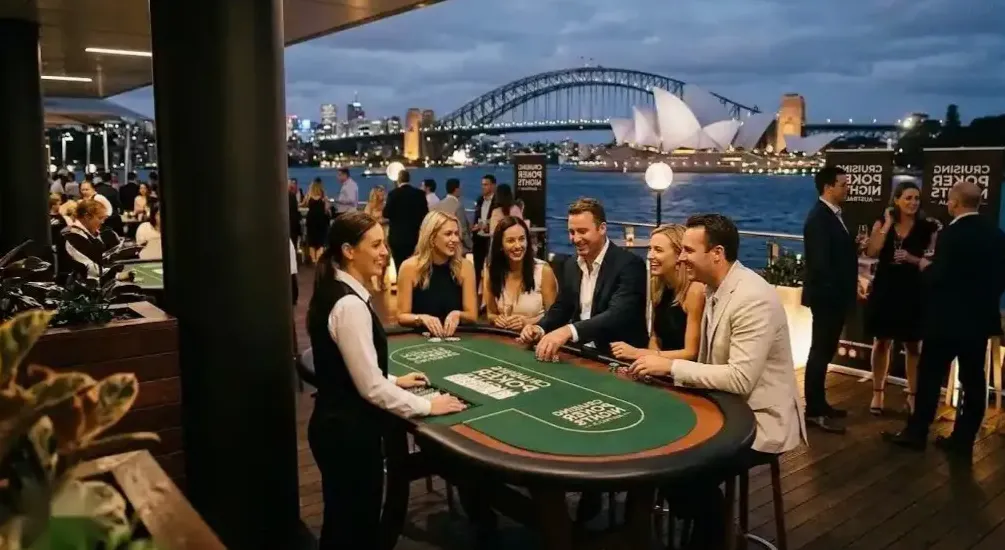
Structure the Giving Deliberately
The economics need designing, not hoping. We price the chip economy so the expected rebuy rate lands where the cause needs it: typically the rebuy costs about a third of the ticket, add-ons about half, and the combined take roughly doubles the ticket revenue on a well-run night.
Sponsor tables change the arithmetic again. A corporate sponsor buys the table's name, fields its own players and matches the rebuys its table generates. Sponsors get a visible role in the giving rather than a logo on a program, which is why the same companies return every year.
An auction asks donors to give. A tournament lets donors play. The second one raises more and nobody feels it.
Where the Auction Belongs
The live auction still has a role, but its placement matters more than its contents. Between levels, during the dinner break, the room is at its warmest and the auctioneer has full attention. Put the same lots at the start of the night and they sell for less.
Field Notes
- Six to ten live lots maximum. Silent lots handle the long tail on the app.
- Announce the running total between every auction lot. Momentum feeds bidding.
- The final-table break hosts the biggest lot of the night. Attention is peaking then.
- Reveal the total raised at the trophy presentation. End on the number, not the anticlimax.
Why It Works Psychologically
Traditional galas extract; tournaments involve. A donor at a tournament is a participant in the evening's story, which makes the giving feel like play rather than payment. The donation happens at the moment of peak engagement, when the donor is emotionally invested in the game and cognitively invested in continuing it. That is not cynicism, it is good event design: the best fundraising formats give donors something real for their money, and a seat in a tournament with friends is real in a way a chicken dinner never was. Design the mechanics deliberately, place the giving moments at the peaks, and the totals take care of themselves.
If You Only Remember Three Things
- Rebuys and add-ons are a third revenue channel that often beats the ticket line.
- Price the chip economy against your target; the maths is designable.
- Place auctions at peak moments and reveal the total at the trophy, not after.

Tom Ellery
Tom has produced charity galas that have raised over four million dollars across the seasons, and still gets nervous reading the final total.
Ready to Write Your Own Story?
Everything in this guide happens better on the water. Tell us about your event and a producer will map it inside one business day.